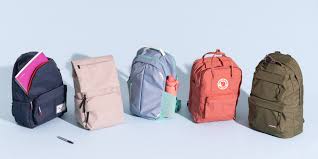

Choosing the right backpack in 2025 involves more than just style—it’s about meeting your specific needs, enhancing comfort, and aligning with your values. Whether you’re shopping for school, work, travel, or outdoor adventures, this comprehensive guide walks you through everything to consider when selecting the perfect backpack.
1. Define Your Purpose
Before browsing, determine what the backpack will be used for:
- Everyday Carry (EDC): Compact, lightweight, and stylish for daily essentials
- Work or School: Tech compartments, document sleeves, and organization
- Travel: Large capacity, lockable zippers, and luggage compatibility
- Outdoor Activities: Ergonomics, hydration compatibility, and weatherproofing
Having a clear purpose will narrow down options and features.
2. Consider Capacity and Size
Capacity is measured in liters (L). Choose based on your load:
- 10–20L: Minimal daily use
- 20–30L: Standard school or work pack
- 30–40L: Travel or hiking daypack
- 40L+: Multi-day trekking or extended travel
Be mindful of airline carry-on limits for travel packs.
3. Look for Ergonomic Design
Comfort is key, especially for long-term use:
- Padded shoulder straps and back panels
- Adjustable sternum and waist straps for load distribution
- Contoured design to fit body shape
- Ventilation channels to reduce sweating
Test the pack for pressure points and weight balance.
4. Pay Attention to Materials and Durability
Backpacks should withstand wear and weather:
- Nylon or polyester for water resistance and durability
- Ripstop fabrics for added strength
- PU or TPU coatings for waterproofing
- YKK zippers and Duraflex buckles for quality assurance
Tougher materials are a must for outdoor and travel use.
5. Organizational Features Matter
Good internal organization prevents chaos:
- Dedicated laptop and tablet sleeves
- Elastic water bottle holders
- Zippered mesh compartments
- Pen slots and key clips
Check for top, front, and side access options.
6. Evaluate Security Features
Security is especially important for travelers and city commuters:
- Anti-theft zippers and hidden pockets
- RFID-blocking compartments for cards
- Lockable zippers compatible with TSA locks
- Cut-proof fabrics and reinforced panels
Brands like Pacsafe and XD Design specialize in theft-resistant packs.
7. Think About Tech Compatibility
Modern users need to stay connected:
- Padded laptop sleeves with suspension protection
- Built-in USB ports with external power bank access
- Cable routing systems for headphones or charging
- Tablet and phone compartments with soft lining
Work and tech-centric backpacks should prioritize device safety.
8. Choose Style that Matches Your Aesthetic
Backpacks are fashion statements too:
- Urban minimalism: Sleek, monochrome designs
- Sporty and rugged: Bold colors and durable features
- Classic and timeless: Leather or canvas textures
- High fashion: Designer labels and unique silhouettes
Match the pack with your wardrobe or professional setting.
9. Sustainability and Eco-Friendliness
Eco-conscious buyers should look for:
- Recycled or upcycled materials
- Non-toxic dyes and waterproofing
- Sustainable production practices
- Longevity-focused design
Patagonia, Terra Thread, and Fjällräven offer green alternatives.
10. Adaptability and Modular Features
Versatile bags are more valuable:
- Expandable compartments
- Removable organizers
- Interchangeable straps
- Modular systems for tech, gym, and travel kits
Look for adaptability if you want one bag to do it all.
11. Weather Resistance and Climate Protection
Rain and extreme temperatures can damage contents:
- Waterproof zippers and coated exteriors
- Storm flaps and roll-top closures
- Thermal lining for electronics
- Drainage holes in wet/dry compartments
Choose based on your location’s climate.
12. Gender Inclusivity and Fit
Unisex and adjustable designs cater to all users:
- Custom-fit harness systems
- Strap length adjustability
- Multiple size options
- Unbranded, gender-neutral aesthetics
Comfort and fit should be prioritized over gender marketing.
13. Top Backpack Brands to Consider in 2025
Depending on your budget and needs, consider:
- Everyday/Commuter: Bellroy, Nomatic, Herschel
- Tech-Focused: Targus, Thule, Samsonite
- Outdoor/Adventure: Osprey, Deuter, Gregory
- Luxury/Fashion: Tumi, Coach, Troubadour
- Eco-Friendly: Patagonia, Everlane, Cotopaxi
Brand reputation can be a strong indicator of quality and service.
14. Maintenance and Longevity Tips
Keep your backpack in top shape:
- Spot clean regularly with mild soap
- Avoid overloading to prevent fabric stress
- Store in a dry place when not in use
- Repair zippers or seams to extend life
Some brands offer lifetime warranties or repair programs.
15. Final Thoughts: Invest in the Right Fit
A great backpack enhances your daily life—it’s an essential tool for productivity, travel, and self-expression. With so many advanced, stylish, and sustainable options available in 2025, there’s no need to compromise.
Think of your backpack not as a simple accessory but as a long-term investment. Prioritize quality, comfort, and functionality, and you’ll find a model that serves you well for years to come.